If You Can't Read It at Arm's Length, It Isn't Really Labelled
Walk into any UK high street and you will see the same CBD routine. Pick up a bottle, turn it over, squint at the back panel, then either put it down or take a photo with your phone so you can zoom in later. That little pause is not a niche annoyance. It is the moment where a shopper tries to work out whether a product is worth the money — and the label either helps or gets in the way.
At CBD Collect, we are more interested in whether a label helps you compare value than whether it looks nice on a shelf. So we took a spread of typical UK CBD products — high-street own-brand bottles, online-only labels and a few so-called premium options — and ran a simple readability test. Not a lab test. Not a brand-quality score. Just: can a normal person, in normal conditions, read the information that matters before handing over cash?
The test: six everyday reading conditions
We checked each label in the places shoppers actually read them: standing in a brightly lit aisle, sitting at a kitchen table under a warm bulb, using a phone torch, wearing varifocals, holding the bottle one-handed, and glancing at it on a bus. We looked at smallest font size, contrast, panel crowding, whether dosage instructions were clear, whether batch and expiry details were printed or hidden behind a QR code, and whether the key CBD numbers were easy to find.
The results were not about good brands versus bad brands. Plenty of products with strong reputations had panels that were hard work. The pattern was simpler: the more a label relied on design tricks and tiny type, the more time a shopper had to spend decoding it.
Small type is a hidden fee
Several labels gave the brand name plenty of room and pushed the useful stuff into a narrow strip near the bottom. CBD content, serving size, batch number and directions were all present — technically — but only just. One panel used text so small that reading it at arm's length was not realistic without decent light and decent eyesight.
That matters because UK CBD labels are already crowded. There is legal information, warnings, ingredients, contact details and storage advice to fit in. But crowded is not the same as impossible. A label can be busy and still put the important numbers where a shopper can find them. When it does not, the buyer pays in time. And in a shop, time is often the difference between comparing two bottles and giving up.
The QR code cul-de-sac
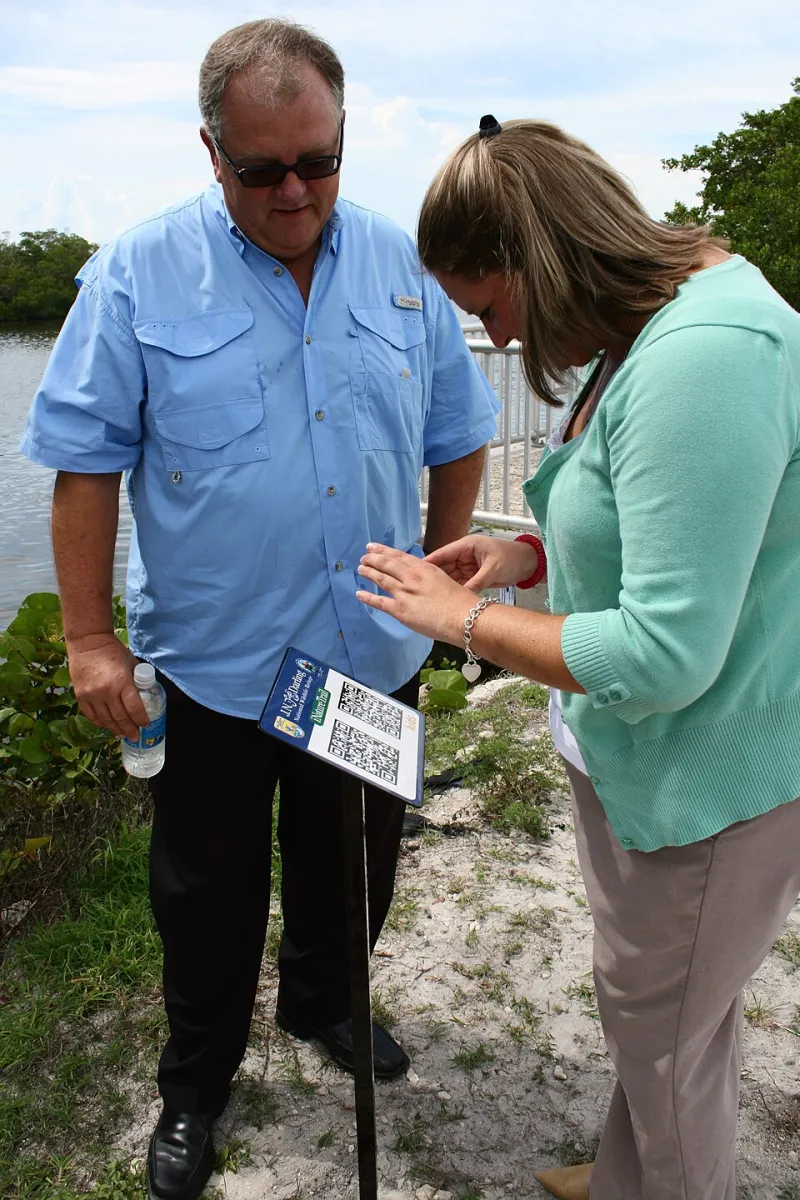
QR codes are not the villain. A good one can take you to a lab report or a batch page quickly. The problem is QR-only batch information. If the printed label has no batch number and no expiry date, and the code leads to a homepage, a sign-up form or an app download, then the label has not done its job.
In a store, this is especially useless. Signal can be patchy, pages can be slow, and nobody wants to create an account while standing next to the till. Even at home, a QR code that sends you round the houses costs confidence. You are left asking basic questions: is this the right batch? Is this product fresh? Can I check the report without handing over my email?
The better labels we looked at treated the QR code as a bonus, not a replacement. Batch and expiry were printed in plain text. The code was there for extra detail. That is the difference between a label that respects the shopper and one that makes them do unpaid admin.
Crowded panels and dosage fog
Dosage instructions caused the most confusion. Several bottles said things like take 1-2 drops, but did not make it easy to work out how much CBD that actually was. Without a clear mg-per-drop or mg-per-ml figure nearby, the shopper has to do maths on a tiny panel. That is not a fair ask in a shop aisle.
Crowding made this worse. When serving size, strength, flavour and warnings are all jammed together in the same block, the eye has nowhere to land. A few labels seemed to hide the serving size in the middle of a paragraph. Others used a dropper line that was hard to see against dark glass. None of this is illegal. It is just poor shop-floor design.
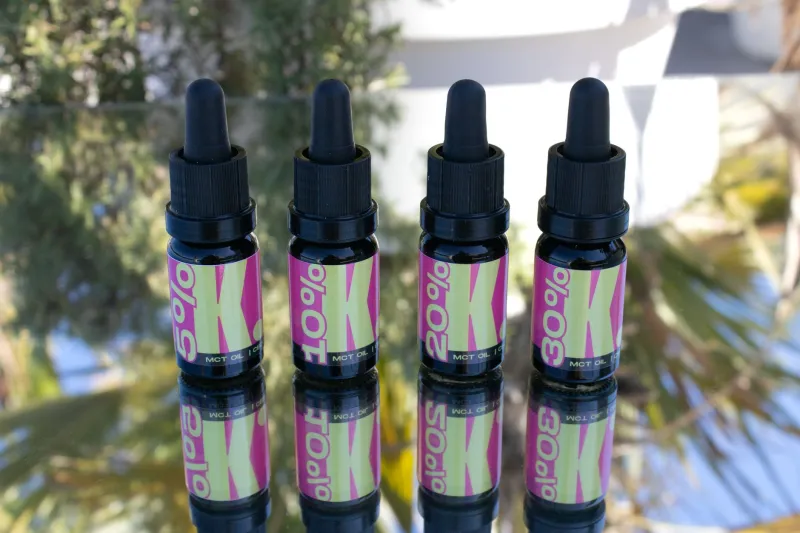
And poor design costs money. If you cannot tell whether a bottle is 5% or 10%, or whether a serving is one drop or ten, you cannot compare price per milligram. You might buy the weaker bottle thinking it is the stronger one. You might buy two products that do the same job. You might order online, get it wrong, and pay return postage. The label did not just fail to inform; it helped you make a worse purchase.
Contrast is not a colour trend
Gold on white. Pale green on pale green. Tiny grey text on a dark bottle. These may look smart in a product photo, but under a warm kitchen light they disappear. Contrast is not an aesthetic choice for shoppers. It is the difference between reading the directions and guessing them.
The best panels in our test were not the prettiest. They used dark text on a light background, kept glossy finishes away from the small print, and left space around the key numbers. They looked a bit ordinary. They were also the easiest to use. That is a trade worth making.
A five-minute label check
Before you buy, try this. Turn the bottle so the back panel faces you. Find the CBD strength in mg and, if possible, mg per ml. Find the serving size. Find the batch number and expiry date in print. Scan the QR code only after that, and see whether it takes you to something useful. Check that the directions are readable without a phone camera. If the label fails at arm's length, treat that as information in itself.
At CBD Collect, value is not just price per milligram. It is price per milligram you can actually verify. A readable label is part of the deal. If the small print is doing all the work, the big print is probably doing the selling. And if you cannot read it at arm's length, it is not really labelled — it is just decorated.