The Millilitre Squeeze: Why Your UK CBD Bottle Is Getting Smaller While the Price Stays Put
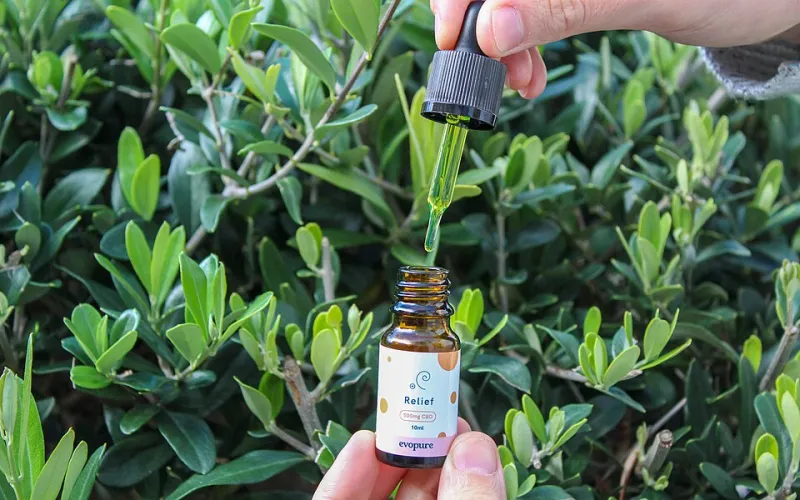
Photo: Evopure, CC BY-SA 2.0, via Wikimedia Commons
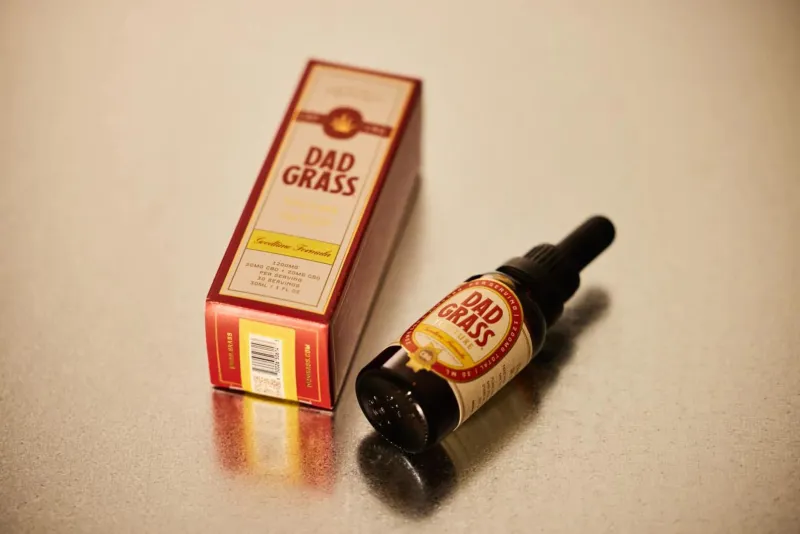
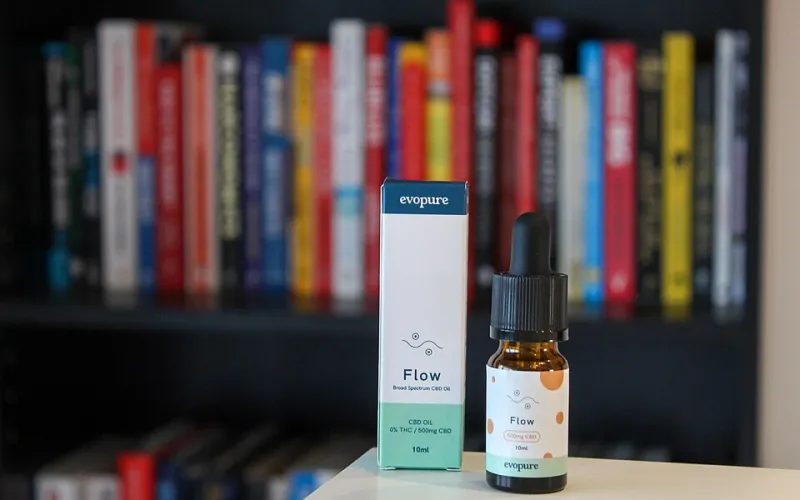
The shelf price looks reassuringly normal. The bottle does not. In 2026, more UK CBD oils are turning up in 20ml, 15ml and even 10ml formats while the £25–£45 price band stays roughly where it was. That is not automatically a con. It is, however, exactly the sort of change that gets lost when you are comparing labels on a phone screen in a hurry.
CBD Collect has written before about bundles, postage and subscription maths. This is a narrower question: when the bottle gets smaller but the price does not, what are you really paying for?
The 30ml bottle was never a standard — just a habit
A lot of UK CBD oils settled on 30ml because it felt like a sensible middle ground: enough for a month at a typical 0.5ml serving, small enough to post cheaply, familiar enough that shoppers stopped questioning it. Once that habit formed, brands could keep the £30-ish sticker price and quietly adjust the contents.
Sometimes they cut the volume and keep the total CBD the same. Sometimes they cut the volume and cut the total CBD too, to keep the concentration identical. Sometimes they change the serving suggestion. Any of these can be defensible, but only one of them is easy to spot from the front of the bottle. Usually it is none of them.
The only maths that matters
Ignore the word 'strong' on the front label for a minute. The two numbers that actually let you compare value are total CBD in milligrams and price. From there you can work out cost per 100mg and cost per serving.
A simple example, using rounded figures for clarity:
| Bottle | Volume | Total CBD | Price | Cost per 100mg | Label serving | CBD per serving | Cost per serving |
|---|---|---|---|---|---|---|---|
| Old familiar bottle | 30ml | 500mg | £32 | £6.40 | 0.5ml | 8.3mg | 53p |
| Quiet downsize, same concentration | 20ml | 333mg | £32 | £9.61 | 0.5ml | 8.3mg | 80p |
| Smaller bottle, same total CBD | 20ml | 500mg | £32 | £6.40 | 0.5ml | 12.5mg | 80p |
The first two rows are the ones to watch. The concentration is the same — roughly 16.7mg per ml — but the second bottle contains a third less oil and a third less total CBD. Your cost per 100mg jumps by 50%. Your cost per serving rises from 53p to 80p if you stick to the same 0.5ml serving.
The third row is different. The bottle is smaller, but the total CBD is unchanged. Cost per milligram is the same as before. The catch is that each 0.5ml serving now contains more CBD, so you may use fewer servings per bottle. That can be fine, but it is not the same product experience — and the price per serving still rises because there are fewer servings in the bottle.
This is why 'same strength' is such a slippery phrase. A 500mg bottle is not necessarily stronger than a 300mg bottle. It depends on volume, serving size and what the brand means by strength in the first place.
'Same strength' can mean three different things
When a UK CBD label says 'same strength', ask: same as what?
It could mean the same total CBD per bottle. That is useful if you use the whole bottle over the same period, but it tells you nothing about concentration.
It could mean the same milligrams per millilitre. That is a concentration claim. It means each drop is as potent as before, but a smaller bottle still contains less CBD overall. If the price has not moved, your cost per milligram has almost certainly gone up.
It could mean the same CBD per serving. That is the most shopper-friendly version, but only if the serving size has not changed too. A brand can keep '10mg per serving' while shrinking the serving itself from 1ml to 0.5ml. The number on the label stays tidy; the bottle empties faster.
None of these claims is illegal or automatically misleading. But 'same strength' is not a value claim. It is a specification claim, and often a vague one.
Where the quiet downsizing hides
The most common move is the 'new look' relaunch. The bottle gets a cleaner label, the copy talks about sustainability or freshness, and the volume drops from 30ml to 20ml without much fanfare. The price stays in the same £29.99–£34.99 bracket because that is the bracket shoppers recognise.
Another version is the concentration shuffle. The brand keeps 500mg on the front but moves from 30ml to 15ml. That is now 33.3mg per ml, which sounds impressive, and it may genuinely suit someone who wants a stronger drop. But the price per milligram is unchanged only if the price is unchanged — and you are getting half the oil. If the price has gone up as well, you are paying more per milligram for the privilege of a smaller bottle.
Dropper sizes matter too. A 0.5ml serving is not universal. Some brands print 1ml, some print '10 drops', and some leave you to guess. If the serving size changes between the old and new bottle, your cost per serving changes even when the price per milligram looks stable.
Multipacks can disguise the same trick. Three 10ml bottles for £40 may look like a deal next to one 30ml bottle at £38, but only if the total milligrams are comparable. Count the total CBD across the pack, not the number of bottles.
A checkout checklist for 2026
Before you pay, do this quickly:
- Find the total CBD in milligrams, not just the strength word on the front.
- Divide the price by the total milligrams, then multiply by 100 for cost per 100mg. It is a fairer comparison than price per bottle.
- Check the volume in millilitres and the milligrams per millilitre. A small bottle with a high mg/ml figure is not automatically better value.
- Check the serving size on the label. If it says 0.5ml, 1ml or a number of drops, compare cost per serving across products.
- Look for 'new look', 'improved formula' or 'same great strength' language and check whether the total milligrams have changed.
- Compare like with like on extract type. A full-spectrum oil at £9 per 100mg may still be better value for some shoppers than an isolate at £6 per 100mg, depending on what they want.
- Check the batch or best-before date if you are buying a bargain. A cheap bottle you will not finish before it goes stale is not a value comparison — it is a cupboard ornament.
The bottom line
Shrinking a bottle is not inherently shady. Ingredient costs move, packaging costs move, and brands are allowed to change formats. What shoppers deserve is a clear before-and-after: old total milligrams, new total milligrams, old volume, new volume, and a price that reflects the difference.
If a UK CBD brand can show that, the smaller bottle can still be fair value. If it cannot, assume the millilitre squeeze is doing the talking — and do the per-milligram maths before you tap pay.