Tiny Sachets, Big Questions: What UK CBD Trial Packs Really Cost Per Milligram

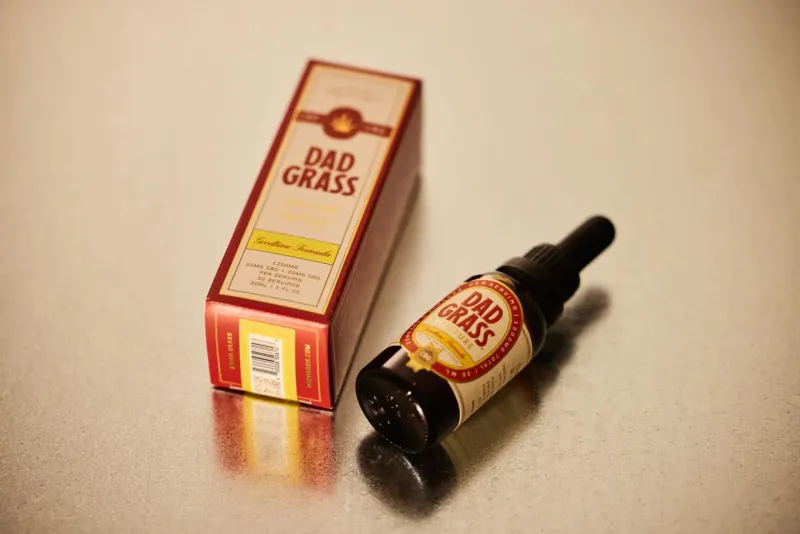
Photo: small CBD oil sample sachets and starter vials on a UK kitchen table with delivery parcel, via www.quoteradar.co.uk
Walk into any UK CBD shop, scroll a brand's Instagram, or open a parcel from a wellness subscription and you will probably meet the same tiny object: the sample sachet. A 2ml rip, a 5ml starter vial, a £1 trial pack with a QR code and a lot of hope. In 2026, these little envelopes have become the handshake of the UK CBD market. They are cheap to post, easy to bundle and brilliant at getting a bottle into your hand without asking you to commit £40 upfront.
But a trial pack is only useful if it behaves like a trial. If it gives you half a serving, hides the milligram count, or costs more per milligram than a full bottle, it is not a test drive. It is marketing confetti.
The £1 sachet is rarely £1
Start with the checkout, not the product page. A £1 sample headline can become a £5.95 experiment once you add standard UK delivery. If the free-delivery threshold is £30, a shopper who only wants to try one sachet is effectively paying a delivery tax for the privilege of being curious. That does not make the sample bad, but it changes the value maths. A £2 sachet plus £3.95 postage is a £5.95 sachet.
Some brands soften this by crediting the sample cost against a later full-size order, or by offering a bundle of three sachets for £5 with free delivery over a lower threshold. Those are genuine low-risk entry points. Others use the sample as a basket filler: you came for a £2 trial, you leave with a £32 order because the shipping threshold nudged you into a full bottle. That is not sinister, but it is not a pure trial either.
Cost per milligram: the only comparison that travels
CBD products are sold in wildly different formats, so price alone tells you almost nothing. The useful number is cost per milligram of cannabidiol. The table below is illustrative, not a quote from any specific shop, but it shows the pattern UK shoppers should watch for.
| Format | Typical price | CBD content | Cost per mg |
|---|---|---|---|
| 2ml sample sachet | £2 | 10mg | £0.20 |
| 5ml starter vial | £5 | 50mg | £0.10 |
| 10ml bottle | £35 | 500mg | £0.07 |
| 30ml bottle | £60 | 1,500mg | £0.04 |
A 10mg sachet at £2 works out at £200 per gram of CBD. That is not automatically a rip-off, because you are paying for packaging, postage, a tiny batch and the convenience of trying before buying. But if the same brand sells a 500mg bottle at £35, the sample is nearly three times the cost per milligram. You are paying a curiosity premium. The question is whether that premium buys you enough product to make a sensible judgement.
Is the dose enough to judge?
This is where many UK trial packs fall down. A 5mg sachet is unlikely to tell most shoppers much, especially if they are used to a 10mg or 20mg serving. A 10mg sample is more defensible, but still on the light side. A 25mg starter vial starts to feel like a proper test. The label should make the CBD content obvious, not bury it under phrases like hemp extract blend or full-spectrum complex without a milligram figure.
There is also the question of consistency. If the sample is a different batch, carrier oil or flavour system from the full-size bottle, you are not testing the product you will actually buy. A good trial pack should match the retail version closely, and it should carry a batch code or lab report you can check. Without that, you are testing a vibe, not a product.
Delivery thresholds and the free-shipping trap
UK shoppers are now trained to hunt for free delivery, but sample packs expose how awkward that can be. If a brand charges £3.95 delivery on a £2 sachet, the trial is no longer a £2 decision. If it offers free delivery over £25, the sample can become a gateway to a larger basket. Neither approach is wrong, but the honest brands make the threshold clear before checkout and do not pretend a sample is a standalone bargain when it is not.
A fair trial pack should do three things: show the CBD milligrams clearly, price the sample at a sensible premium rather than a punitive one, and make delivery costs visible early. If a brand can do that, the sachet economy starts to look less like confetti and more like a sensible front door.
Genuine test drive or marketing confetti?
Here is the CBD Collect checklist. A sample is worth trying if it contains at least 10mg CBD, ideally closer to 20mg; if the cost per milligram is not wildly above the full-size bottle; if delivery does not double the price; and if the batch can be checked. It is less convincing if the sachet is 5mg, the label is vague, the sample is a different formulation from the retail bottle, or the only way to make the postage worthwhile is to spend £30.
None of this means sample sachets are a con. A well-run trial pack is one of the best things in the UK CBD market: it lets you check taste, texture and tolerance without gambling on a full bottle. But the format has become so common that some brands treat it as a marketing garnish rather than a genuine test. In 2026, the smart shopper should treat the tiny sachet with the same suspicion they apply to a big bottle. Read the milligram count, do the delivery maths, and ask whether the sample is sized to answer a real question. If it is not, it is just expensive confetti with a CBD logo.