The Recurring Bill Trap: What UK CBD Subscriptions Really Cost After the Honeymoon Price
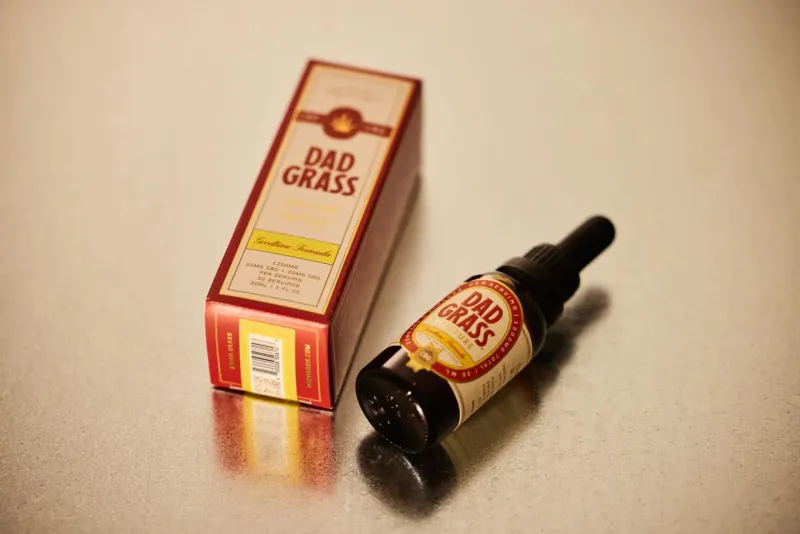
Walk through any UK CBD site in late 2026 and you will see the same friendly nudge: subscribe and save. Ten per cent off, free delivery, a little bottle landing on the doormat every month. It sounds like the low-friction way to buy CBD. But a subscription is not a discount — it is a rolling contract with a marketing department. The useful question is not what the first box costs. It is what the third one costs, and how hard it is to stop the fourth.
The introductory price is doing a lot of heavy lifting
Subscription offers usually lead with a headline saving. Sometimes it is a straight percentage off. Sometimes it is a free bottle, a free storage pouch or free postage. All of those can be genuine value. The problem is that they are often calculated against a full price that few people would pay once the shine wears off.
Take a simple example. Suppose a 500 mg CBD oil is £24.99 on your first subscription order, then £34.99 for each repeat. That works out at roughly 5p per milligram on the first bottle and 7p per milligram afterwards. Over three months you spend £94.97 and receive 1,500 mg, which averages about 6.3p per milligram. If you bought the same oil three times at full price, you would spend £104.97. The subscription still saves money, but the real saving is about £10 — not the 30% or 40% the banner might imply.
That difference matters because many shoppers compare the subscription price with the full price of a different brand, not with their own repeat-purchase cost. The fair comparison is like for like: same strength, same bottle size, same delivery included, same three-month period.
Cancellation terms: look for the quiet words
A subscription that can be cancelled in two clicks is a convenience. A subscription that can only be stopped by phone during office hours is a commitment. Before you enter card details, find the cancellation page. If you cannot find it, that is information in itself.
Look for the words that do the real work: minimum term, notice period, cancellation window, cooling-off period and renewal date. In the UK, distance selling rules give shoppers a cooling-off period for many online purchases, but subscriptions can sit in a grey area once a first box has been opened or a personalised plan has started. Do not assume the usual 14-day right to cancel will cover every repeat payment. Check the brand's own terms and keep a copy.
Also check whether cancelling stops the next payment or only future payments after that. Some systems cut off the following month, not the one already scheduled. If the next dispatch is three days away, cancelling today may not be early enough.
Minimum terms and the skip illusion
A skip button is not the same as a cancel button. Plenty of CBD plans let you pause a delivery, push it back a month or swap a flavour. That is useful if you have a cupboard full of oil. It is less useful if you want to stop spending altogether.
Some brands set a three-month minimum term. Others lock in a discounted rate for the first three deliveries and then move you to a higher price. Neither is automatically unfair, but both change the maths. A £5 saving on the first bottle is not much of a win if you have to buy three bottles to qualify and the third one costs £8 more than a rival's one-off price.
Read the plan summary as if it were a mobile phone contract. What is the total commitment? What happens at the end of the introductory period? Can you change strength without restarting the term? Can you cancel after the first delivery?
Price per milligram after the discount expires
The sneakiest subscription change is not always a price rise. Sometimes the price stays the same while the bottle shrinks. A £35 plan that moves from 500 mg to 400 mg has just become 14% more expensive per milligram without a single headline increase.
CBD Collect's value check is simple: note the strength in milligrams, the bottle size in millilitres, the price including delivery and the billing frequency. Then divide the price by the milligrams. Do it for the first month and the fourth month. If the figure jumps, you are not getting the same deal any more.
Customer service friction is part of the cost
A subscription is only convenient if the boring bits work. Check whether the brand has a UK phone number, an email address and a published complaints process. Look at how it handles cancellations in reviews, not just how it handles deliveries. A chatbot that loops you back to a help page is a cost in time, even if it never appears on your bank statement.
Keep a dated screenshot of the plan you signed up to. If a payment is taken after you cancelled, you will want the confirmation email, the cancellation reference and the date. Paying by credit card can add another layer of protection for larger orders, though it is not a substitute for reading the terms.
A pre-sign-up checklist
- Find the cancellation page before you buy. If it is hidden, pause.
- Write down the first-payment price and the ongoing price separately.
- Calculate price per milligram for month one and month four.
- Check the minimum term and whether skipping counts towards it.
- Confirm whether delivery is included in the quoted price.
- Look for a UK contact route and a written complaints process.
- Check the next dispatch date before cancelling.
- Save the terms and your cancellation confirmation.
None of this means CBD subscriptions are a bad idea. For someone who uses the same oil every month, a well-run plan can be cheaper and less hassle than remembering to reorder. But the convenience is only real if the exit is as easy as the entry. In 2026, the smart shopper treats the first discount as a test — not a loyalty scheme.